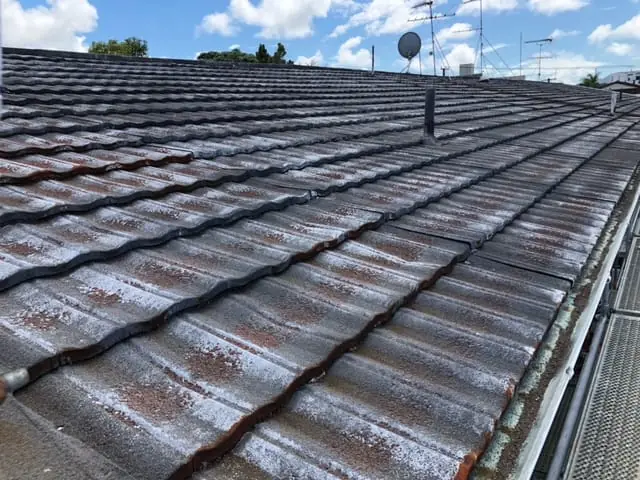
Your roof is your home's primary defence against New Zealand's weather. But because roofs are out of sight, roof problems often go unnoticed until they cause significant and expensive interior damage. When you spot a problem, roof repairs Auckland specialists can respond quickly. This guide helps homeowners identify the warning signs early, understand what they mean, and know when to call a professional.
10 Warning Signs Your Roof Needs Attention
Sign 1: Water Stains on Ceilings or Walls
Brown, yellow or ring-shaped water stains on your ceiling or upper walls are among the clearest signs of a leaking roof. The stain may not be directly below the entry point water often travels along roof timbers or ceiling framing before dripping onto plasterboard. Fresh stains that grow after rain events indicate an active leak requiring immediate attention.
Sign 2: Damaged, Missing or Lifted Tiles
Cracked, broken, missing or lifted tiles are visible from the ground with binoculars. Even a single missing tile creates a direct water entry point, particularly in high-rainfall areas like West Auckland. After storm events, a ground-level check for fallen tile pieces in your garden is worthwhile.
Sign 3: Sagging or Uneven Roofline
A healthy roof should have straight, even ridges and a consistent plane on each slope. Sagging between rafters, a bowing ridgeline, or an uneven roof plane suggests structural issues potentially failing rafters, rotted battens, or roof framing damage from moisture, termites or load issues. This requires urgent professional assessment.
Sign 4: Moss, Lichen or Algae Growth
Green or black biological growth on your roof is common in Auckland's climate, particularly on the south-facing, shaded slopes that see less sun. Moss is more than cosmetic it holds moisture against tile surfaces, lifts tile edges as it grows, and accelerates mortar deterioration. Annual treatment prevents this from becoming a structural problem.
Sign 5: Rust Stains or Corrosion on Metal Roofing
Orange-brown rust staining on or running down from your metal roof indicates active corrosion. Surface rust treated early can be remediated with rust converter and re-coating. Once corrosion penetrates the sheet metal creating perforations, those sheets need replacement. Don't wait rust progresses faster than most homeowners realise.
Sign 6: Blocked or Overflowing Gutters
Gutters that overflow during rain cause water to pour down your exterior walls, saturate foundations, and enter subfloor spaces. Chronic overflow also causes rot in fascia boards and soffit linings. Regularly blocked gutters may be undersized, incorrectly pitched, or have a downpipe blockage that needs addressing.
Sign 7: Granules in Downpipes or at the Bottom of Downpipes
If you have concrete or clay tile roofing and find sandy granules accumulating at your downpipe outlets after rain, it means the surface coating on your tiles is breaking down. This is normal as tiles age, but significant granule loss indicates the tiles are approaching the end of their coating life and will benefit from a roof restoration programme.
Sign 8: Failed or Visible Flashing
Flashings seal the joints between your roof and walls, chimneys, skylights, pipes, and valleys. When flashing fails whether from corrosion, poor installation, or sealant breakdown water enters directly. Visible gaps, lifted metal, or failed sealant at any flashing joint warrants immediate professional attention. Flashing repair is usually inexpensive; the consequential damage if ignored is not.
Sign 9: Your Roof is Over 25–30 Years Old
Concrete tiles, clay tiles, and older galvanised iron roofing all have finite lifespans. Even if you haven't noticed a leak, a roof over 25–30 years old that hasn't been professionally assessed recently deserves an inspection. Many homeowners are surprised to discover their "fine" roof is actually near the end of its viable life catching this before catastrophic failure allows planned, budgeted replacement rather than an emergency job.
Sign 10: Rising Energy Bills
A less obvious sign if your home has become harder to heat or cool, a deteriorating roof can be a contributing factor. Failed or wet insulation (soaked by a leak) provides dramatically reduced thermal resistance. A roof with large areas of missing mortar, gaps in the underlay, or failed skylights can increase heat loss significantly in Auckland's cool winters.
Signs You Need Repair (Not Replacement)
These signs generally indicate targeted repair rather than full replacement is appropriate:
Signs You Need Full Replacement
These signs generally mean replacement is the better long-term investment:
How to Check Your Roof Safely
What you can safely do yourself:
- Ground-level inspection with binoculars: Walk around your property examining the roof from ground level. Look for lifted tiles, visible gaps in ridge caps, rust staining, moss coverage, and sagging sections.
- Inspect your ceiling and roof space: After significant rain, check your ceiling for new stains. If you have safe ladder access to your roof space (manhole), look for light coming through the underlay, staining on rafters, or wet insulation all signs of water ingress.
- Check gutters from a ladder: A short ladder to look into gutters (not onto the roof) is safe for most homeowners. Check for debris accumulation, rust, standing water indicating blockages, and whether downpipes are clear.
For any inspection that requires going onto the roof itself, engage a licensed roofing contractor. Most will conduct a professional roof inspection as part of a quote visit at no charge.
What to Do When You Spot the Signs
- Document what you see: Photograph any ceiling stains, take binocular photos of the roof from ground level. Dates and weather correlation (did the stain appear after the rain on a specific date?) help your contractor identify the source.
- Don't delay: Roof problems are progressive a small leak becomes a big leak becomes a structural problem. Regular maintenance and early action is always cheaper than emergency repairs after water damage has spread.
- Get a professional assessment: Call a licensed roofing contractor for an on-site inspection. Reputable contractors provide a written report with photos. Be wary of anyone who refuses to put their findings and recommendations in writing.
- Get multiple quotes for larger jobs: For full replacements, get 2–3 written quotes from LBP-registered contractors. Compare scope of work, materials specified, and warranty terms not just price.
- Check insurance: Some damage (particularly from storm events) may be covered by your home insurance. Contact your insurer before authorising repairs if the damage followed a weather event.
Getting a Professional Assessment
Delta Roofing provides free on-site assessments for Auckland homeowners concerned about their roof's condition. We'll inspect the roof with appropriate safety equipment, document what we find with photos, and provide you with a clear written report on condition, identified issues, recommended action, and cost estimate.
We won't recommend replacement if targeted repair is the honest answer. And we won't recommend repairs that will only delay an inevitable replacement by a year or two. Our goal is to give you accurate information to make the right decision for your home and budget.