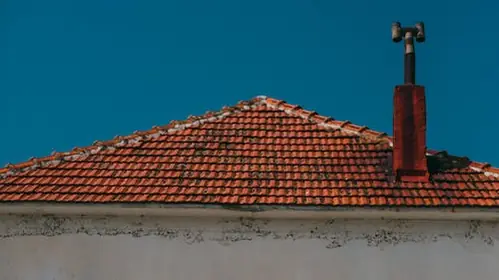
Tile roofs are the dominant roofing type across Auckland residential housing, particularly homes built between the 1960s and 2000s. While a well-maintained tile roof is extremely durable, tiles require roof repairs Auckland specialists and periodic maintenance to perform at their best. Understanding the different types of tile roofs and their specific repair requirements helps you make informed decisions about your home.
Types of Tile Roofs in Auckland
Auckland homes feature four main types of tile roofing:
Concrete Tiles
By far the most common tile type in Auckland. Concrete tiles were the standard residential roofing choice from the 1960s through to the late 1990s. Major New Zealand manufacturers included Monier, Metrotile, and Austral. Profiles include flat, low-profile (S-curve), and Mediterranean (high-profile). Concrete tiles are dense, heavy (approximately 45–55 kg/m²), and durable but they are porous and require periodic repainting or sealing to maintain their performance.
Clay and Terracotta Tiles
Clay and terracotta tiles are less common than concrete but highly valued for their authentic Mediterranean appearance and exceptional longevity. Found on heritage homes, 1920s–1940s villas, and some premium builds, clay tiles are fired ceramic and fundamentally non-porous. They resist moss and lichen far better than concrete. However, the mortar bedding and pointing around ridge and hip cappings still requires periodic maintenance.
Decramastic Tiles
Decramastic tiles pressed steel tiles with a stone chip coating were commonly installed on Auckland homes from the 1960s through the 1980s. They are no longer manufactured but many Auckland homes still have decramastic roofs. These are covered in detail in our dedicated decramastic repair article.
Shingle Tiles (Asphalt/Fibreglass)
Asphalt or fibreglass shingles are occasionally found on Auckland homes, predominantly from the 1990s–2000s. They have a shorter lifespan than concrete or clay tiles and are increasingly being replaced during renovation.
Common Tile Roof Problems in Auckland
Understanding the most common failure modes helps you identify problems early:
- Cracked or broken tiles: The most visible problem. Caused by foot traffic (tradespersons walking the roof incorrectly), falling branches, thermal stress, or manufacturing defects. Even a single cracked tile can allow significant water ingress over time.
- Slipped or displaced tiles: Tiles slip when their nibs (the hooks that hold them on the batten) break, when the battens beneath them rot or crack, or when tiles are dislodged by high winds or foot traffic. A slipped tile creates an obvious gap in the waterproofing.
- Failed ridge bedding and pointing: The mortar bed securing ridge and hip cappings has a design life of approximately 15–25 years. As it fails, ridge tiles loosen, shift, and ultimately fall often during storms. Failed ridge pointing is the second most common cause of roof leaks after flashing failure.
- Moss and lichen growth: Auckland's humid climate is ideal for biological growth on concrete tiles. Moss and lichen retain moisture, physically lift tiles as they grow under the edges, and accelerate tile degradation. Left untreated, they will shorten the life of a concrete tile roof by 10–15 years.
- Spalling and surface deterioration: Concrete tiles weather and lose their surface sealer over time. The exposed concrete becomes increasingly porous, leading to water absorption, freeze-thaw damage in cooler months, and accelerated biological growth.
- Leaking valleys: The valley flashing at the junction of two roof planes is a common failure point. Valleys accumulate debris, debris holds moisture, and the flashing underneath deteriorates faster than the surrounding roof.
Concrete Tile Repairs
Repairing concrete tile roofs requires specific knowledge of tile handling, compatible materials, and correct techniques:
Replacing Broken Tiles
A broken concrete tile must be replaced, not patched. To replace a tile correctly, the surrounding tiles must be carefully lifted (using a tile lifter or flat bar) to free the broken piece without breaking the adjacent tiles. The new tile must match the profile and colour as closely as possible. Where an exact match is not available, a close match tile or a reclaimed tile from a demolition yard may be used, with the homeowner's approval.
Re-bedding and Repointing Ridge and Hip Cappings
This is one of the most common and most important tile roof repairs in Auckland. The process involves removing the existing failed mortar bedding, thoroughly cleaning the tile surface, applying a new polymer-modified mortar bed, setting the ridge tile back in position and aligning it with adjacent tiles, and then pointing the joints with a flexible pointing compound. Delta Roofing uses modern polymer-modified products that provide significantly better flexibility and durability than traditional cement-based bedding.
Valley Repairs
Failed valley flashings can be repaired by cleaning out the valley, applying a compatible sealant or butyl tape, and relaying the tiles. In more advanced cases, the valley flashing needs to be replaced entirely, which requires removing a section of tiles, installing a new flashing, and re-laying the tiles.
Clay and Terracotta Tile Repairs
Clay and terracotta tiles require extra care during repair work, as they are more brittle than concrete tiles and the wrong technique can cause breakage. Key considerations:
- Clay tiles should be walked on only by experienced roofers who know the correct foot placement to avoid breakage.
- Matching clay or terracotta tiles can be very difficult to source many profiles are decades old and no longer in production. Specialist tile recyclers and demolition salvage yards are often the only source.
- Ridge cappings on clay tile roofs typically use traditional lime-based or modern polymer-modified mortars. The pointing style should match the original detailing.
- The underlay beneath clay tile roofs is often original felt from the 1950s–1970s. If this is deteriorated, a full tile roof replacement may be the correct course of action rather than ongoing surface repairs.
Tile Repointing and Resealing
Repointing and resealing are the two most important periodic maintenance tasks for Auckland tile roofs:
Repointing refers to renewing the mortar joints along ridge and hip cappings. It should be carried out when existing pointing shows cracking, gaps, or areas of loose mortar. Regular maintenance of your tile roof, including repointing, is the best way to extend its lifespan. A full repoint of a standard Auckland home takes 1–2 days and costs $1,500–$4,000 depending on the total ridge and hip length.
Resealing (or roof washing and re-coating) involves cleaning the tile surface and applying a penetrating sealer or membrane to restore the surface seal and prevent water ingress. This is often combined with roof painting. A resealing treatment alone costs $1,500–$3,500 for a standard home.
Cost of Tile Roof Repairs in Auckland
- Single tile replacement: $150–$350 including call-out
- Small section tile repair (5–10 tiles): $400–$900
- Ridge repointing (per metre): $25–$50/m
- Full ridge and hip repoint (average home): $1,500–$4,000
- Valley flashing repair/replacement: $400–$1,200
- Moss/lichen treatment: $500–$1,500
- Full tile roof restoration (wash, repairs, repaint): $5,000–$12,000
All Delta Roofing quotes are written and itemised. Prices include GST. For peace of mind, we recommend a professional roof inspection before deciding on the best course of action.
Frequently Asked Questions
Quick Answers: Tile Roof Repairs Auckland
Delta Roofing Auckland specialises in tile roof repairs across all Auckland suburbs. We carry out concrete tile repairs, clay and terracotta tile repairs, ridge repointing, valley repairs, and full tile roof restoration. We are LBP-licensed and provide written quotes for all work.
Common signs include water stains on interior ceilings, visible cracked or missing tiles from the ground, ridge cappings that look shifted or raised, moss or lichen patches that have grown under tile edges, and gutters blocked with tile crumble. An annual visual inspection from the ground or a professional inspection every 2–3 years is the best way to catch problems early.
Minor tile repairs such as replacing a few broken tiles or sealing a flashing take 2–4 hours. A full ridge repoint on a standard Auckland home takes 1–2 days. More complex repairs involving widespread tile damage and valley work may take 2–3 days. Delta Roofing will provide a clear timeline with your written quote.
Yes, individual tiles can be replaced on most tile roofs. The challenge with older roofs is matching the tile profile and colour. Delta Roofing maintains relationships with tile suppliers and demolition salvage companies across Auckland to source matching tiles for older discontinued profiles wherever possible.
Ridge repointing is the process of renewing the mortar and pointing compound along the ridge and hip cappings of a tile roof. It should be done every 15–25 years. If your ridge tiles look raised, shifted, or the mortar is crumbling away, repointing is needed. Left unattended, loose ridge tiles are a storm damage risk and allow water to enter the roof structure.