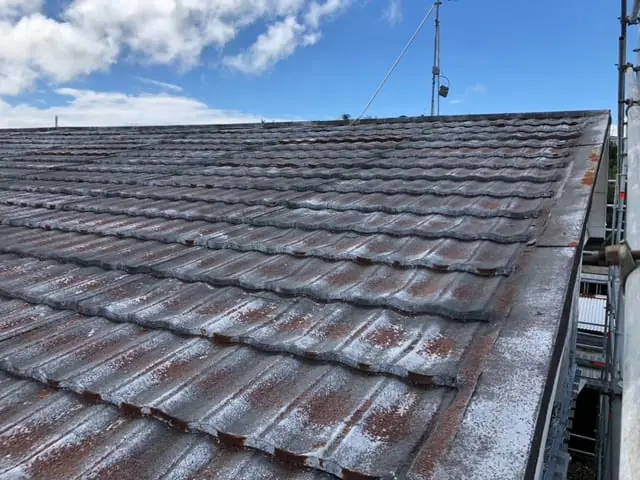
Decramastic tiles are one of the most unique and often misunderstood roofing materials found on Auckland homes. Unlike concrete or clay tile roofs, decramastic requires a specific approach to repairs and restoration. If your home was built between the 1960s and 1980s, there is a good chance you have decramastic tiles. Understanding what you have, its current condition, and your realistic options is the first step to making the right decision for your roof.
What Are Decramastic Tiles?
Decramastic tiles (also called pressed metal tiles or stone-chip tiles) are a roofing system made from pressed and formed steel sheets, coated on the underside with a bituminous backing and on the top surface with a stone aggregate chip embedded in a bituminous compound. The stone chip gives the tiles a textured, granular appearance that was popular in New Zealand residential construction from the 1960s through to the early 1980s.
Common brands in New Zealand included Decra, Dimond, and several others. The tiles were marketed as a lighter, easier-to-install alternative to concrete tiles, and they were extremely popular in Auckland's post-war housing boom suburbs including parts of Pakuranga, Howick, Papatoetoe, Henderson, and the North Shore.
The key fact that defines every decision about a decramastic roof: the product is no longer manufactured in New Zealand. This means like-for-like replacement of individual tiles is essentially impossible, as salvaged tiles may not match in profile, colour, or condition. Every repair and maintenance decision must be made with this in mind.
Common Decramastic Tile Problems
Decramastic tile roofs in Auckland exhibit a characteristic pattern of deterioration:
- Stone chip loss: The stone chips embedded in the bituminous coating gradually loosen and wash off over time, particularly on south-facing slopes. Areas of significant stone chip loss expose the bituminous layer beneath, which then hardens, cracks, and allows water to reach the steel substrate.
- Rust and corrosion: Once the bituminous coating is breached, the pressed steel substrate begins to corrode. Early rust is manageable; advanced rust that has penetrated through the steel makes the tile structurally weak and unable to hold the roof loads. Rust staining in gutters and downpipes is often the first visible sign.
- Cracked or perforated tiles: The bituminous coating becomes brittle with age and UV exposure, developing hairline cracks that allow water ingress. In advanced cases, tiles develop through-holes often mistaken for the original stone chip pattern until inspected closely.
- Leaking overlaps: Decramastic tiles are installed in an overlapping system. The overlapping joints can fail as the bituminous sealant at the overlaps degrades, allowing water to track beneath the tile.
- Nail failure: The nails or screws securing decramastic tiles to the battens corrode and fail over time, causing tiles to slip, lift in wind, or detach entirely.
- Failed ridge cappings: Ridge cappings on decramastic roofs are typically a metal flashing or a mortar bedded concrete cap. Both deteriorate over time and require periodic repair or replacement.
Can Decramastic Tiles Be Repaired?
This is the core question, and the honest answer is: it depends on the extent of deterioration.
Early-stage issues minor stone chip loss, initial surface chalking, small areas of rust can be successfully treated as part of a restoration programme. Individual tiles can sometimes be sourced from salvage (demolition companies and specialist suppliers occasionally have stocks of decramastic tiles), but a perfect profile and colour match is unlikely.
Moderate deterioration widespread stone chip loss, surface rust across multiple areas is still addressable through a restoration treatment (see below), but it needs to be done properly with appropriate specialist products, not standard roof paint.
Advanced deterioration through-tile rust, perforated tiles, widespread tile lifting means the decramastic roof has reached end of life and restoration is no longer viable. At this point, replacement is the only real option.
Delta Roofing will provide you with an honest professional assessment of which category your roof falls into, without upselling you towards replacement when restoration is genuinely viable.
Decramastic Restoration vs Replacement
Restoration
A proper decramastic restoration involves these steps:
- High-pressure washing to remove loose stone chips, dirt, and biological growth
- Full inspection identifying rusted, cracked, or failed tiles for individual attention
- Rust treatment on affected areas using an appropriate rust converter and metal primer
- Sealing of tile overlaps and any identified penetration points
- Repair of ridge cappings and flashings
- Application of a specialist bonding primer suitable for steel and bituminous substrates — see our roof painting service for more on correct paint systems
- Application of two coats of a quality elastomeric or metal roof topcoat
A properly executed restoration can extend the life of a decramastic roof by 8–12 years. Cost: $4,000–$8,000 for a standard Auckland home.
Replacement
When decramastic tiles have reached end of life, a full roof replacement is the most practical option. The most common choice in Auckland is a longrun Colorsteel or corrugated iron roof. This involves:
- Complete removal and disposal of the decramastic tiles, underlay, and battens
- Inspection and repair of the roof frame
- Installation of new breathable underlay and battens
- Installation of new Colorsteel longrun or corrugated iron panels
- New flashings, ridge, and gutter work
The metal replacement is typically lighter than the original decramastic and significantly lighter than concrete tiles, which is good news for the roof structure. Cost: $15,000–$28,000 for a standard Auckland home. A full concrete tile replacement is also possible but is heavier and more expensive.
Painting Decramastic Tiles
Painting decramastic tiles correctly requires specialist knowledge and products. Standard acrylic roof paint the type used on concrete tiles is not appropriate for decramastic surfaces, because:
- The bituminous substrate requires a specific primer to prevent bleed-through of tar oils that will stain and weaken the topcoat
- The surface profile of decramastic tiles means standard paint application often leaves uncoated areas in the textured chips
- Without a rust-inhibiting primer, painting over early rust simply seals moisture against the steel, accelerating corrosion
The correct system is: thorough clean, rust treatment where needed, specialist bituminous-blocking or universal primer, and a quality elastomeric topcoat applied at the specified coverage rate.
Delta Roofing uses appropriate products for each substrate type and will never apply a paint system that is incompatible with your specific roof material.
Cost Guide: Decramastic Repairs and Restoration in Auckland
- Minor repairs only (spot rust treatment, sealing): $500–$1,500
- Full restoration (clean, treat, prime, topcoat): $4,000–$8,000
- Replacement with Colorsteel longrun: $15,000–$28,000
- Replacement with concrete tiles: $22,000–$38,000
All prices include GST and are for a standard Auckland residential home. Prices will vary based on roof size, pitch, and access. We also recommend regular roof maintenance after restoration to maximise the life of your investment. Delta Roofing provides free, written, itemised quotes for all decramastic work.
Frequently Asked Questions
Quick Answers: Decramastic Roofing in Auckland
Delta Roofing Auckland specialises in decramastic tile roof repairs, restoration, and replacement. We understand the specific requirements of this material including appropriate primers, rust treatment, and the replacement options when tiles have reached end of life. We serve all Auckland suburbs and provide free written quotes.
Decramastic tiles have a typical design life of 25–40 years depending on maintenance and exposure. Auckland homes with decramastic roofs installed in the 1960s–1980s are at or past this threshold. A restoration programme can extend the life by 8–12 years; replacement provides a new 30–50 year roof.
No. Decramastic tiles are no longer manufactured in New Zealand. Salvaged tiles from demolitions are occasionally available through specialty tile suppliers, but matching the exact profile and colour of existing tiles is difficult. This is why restoration (treating and painting the existing tiles) is usually more practical than trying to replace individual tiles.
Decramastic tiles require a specialist primer system typically a bituminous-blocking universal primer before topcoating. This prevents tar oil bleed-through from the bituminous substrate that would otherwise stain and weaken the topcoat. Delta Roofing uses products specifically suited to decramastic surfaces and never applies unsuitable generic roof paint.
A like-for-like replacement of decramastic tiles with equivalent metal roofing generally does not require a building consent from Auckland Council, provided the work is carried out by an LBP. However, changing roofing material to one significantly heavier (e.g. concrete tiles) or altering the roof structure may require consent. Delta Roofing will advise you at the consultation stage.