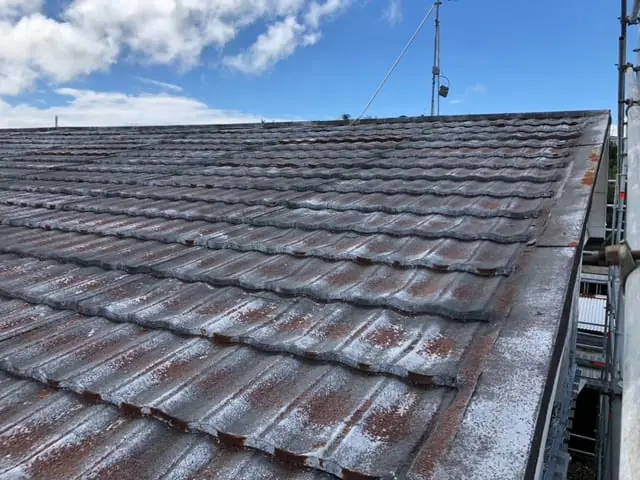
Roofing in Southland
Southland is one of New Zealand's most demanding roofing environments. With the highest wind speeds, regular snowfall, sub-zero winter temperatures, and some of the highest annual rainfall totals in the country, roofs in Invercargill, Queenstown and the surrounding Southland region face conditions that expose any weakness in workmanship or material quality very quickly. A structured roof maintenance programme is essential in this harsh climate.
Delta Roofing brings Licensed Building Practitioner (LBP) expertise and specification knowledge to Southland homeowners, ensuring that every project from a targeted repair to a full re-roofing is designed and built to handle the extreme conditions of the deep south.
Our Southland services include:
Southland's Extreme Weather & Roof Requirements
Few parts of New Zealand test a roof like Southland. Understanding the specific weather forces at play is essential for specifying and building a roof that will perform:
Wind Loading
Invercargill and coastal Southland fall into Wind Zone High under NZS 3604. This is a significantly higher design wind speed than most of the North Island. All roof elements fixings, battens, rafters, and the roofing material itself must be specified and installed to meet this zone. Undersized or incorrectly fastened roofing fails dramatically in Southland's periodic gale-force events. We specify stainless steel or hot-dipped galvanised fixings at correct spacing for every Southland job.
Snow Loading
Invercargill averages 20–30 snowfall events per year, and inland Southland, Central Otago and Queenstown areas see significantly more. Snow loading on roofs must be considered when assessing existing structural capacity. Roofs with pitches below 15 degrees are particularly vulnerable to snow accumulation. Ice damming where snowmelt refreezes at the cold eave overhang is a major cause of leak damage in Southland, forcing water back up under roofing material.
Freeze-Thaw Cycles
Concrete and clay tiles absorb water. In Southland's regular freeze-thaw conditions, this absorbed water expands as it freezes, cracking tiles from the inside out over successive winters. This is why metal roofing is strongly preferred for new installations in Southland metal simply doesn't crack from frost.
Rainfall Intensity
Southland and Fiordland record some of New Zealand's highest annual rainfall totals. Gutter and downpipe sizing must be adequate to handle peak rainfall intensity without overflowing. Undersized guttering causes fascia saturation, soffit damage and foundation water issues.
Areas We Cover in Southland
Invercargill City
Residential and commercial roofing across Invercargill's suburbs including Grasmere, Waikiwi, Georgetown, and Windsor. Older housing stock is common honest repair vs. replace assessments are a regular requirement.
Queenstown
Alpine environment demands premium materials and expert installation. Steep-pitch roofs, complex architecture, and high-value properties are common. We handle both luxury residential and commercial hospitality roofing projects.
Cromwell & Central Otago
Continental climate with extreme temperature swings. Highest freeze-thaw stress of any NZ roofing environment. Metal roofing with appropriate thermal expansion provisions is essential.
Gore
Rural Southland's main service centre. Older farm homes and residential properties with a range of roofing types. We provide honest, practical assessments suited to rural budgets and priorities.
Winton & Dipton
Farming district with significant older housing. Many properties have original corrugated iron roofs that are reaching or past their service life, particularly where maintenance has been deferred.
Riverton & Coastal Southland
Coastal strip properties exposed to Foveaux Strait conditions some of the most severe marine roofing environments in New Zealand. Marine-grade Colorsteel Maxx and stainless fixings are non-negotiable here.
Common Southland Roofing Issues
- Wind-lifted roofing sheets particularly on older corrugated iron roofs with inadequate or corroded fixings. Southland's gale events can strip poorly fastened roofing in minutes.
- Ice dams at eaves causing water backup under tiles or iron on low-pitch roof sections, leading to ceiling leaks that appear to come from the middle of the roof rather than at the edge.
- Frost-cracked concrete tiles on older homes tiles absorb moisture then crack as the water freezes through Southland winters. Widespread cracking means replacement is more cost-effective than individual tile replacement.
- Blocked gutters from debris and leaf fall compounded by heavy rainfall causing overflow and fascia damage. Larger-diameter gutters are often specified on Southland re-roofing jobs to handle intensity events.
- Failed ridge cap mortar exposed by the combination of freeze-thaw cycling and high wind. Loose ridge caps are a significant safety hazard and a major leak source in Southland conditions.
Snow & Frost Roof Protection in Southland
Protecting your Southland roof from snow and frost damage requires both the right material specification and proactive maintenance:
- Pre-winter inspection: Before the first snowfall, have your roof checked for loose ridge caps, cracked or lifting flashing, and gutter condition. A $200 roof replacement assessment or inspection can prevent a $5,000 emergency repair mid-winter.
- Ice dam prevention: Ensure your ceiling insulation is adequate and continuous to the eave a warm roof surface sheds snow; a cold eave creates the freeze-refreeze cycle that causes ice dams. Eave flashings with ice-and-water shield underlays are recommended on new Southland builds.
- Snow guards: On steep-pitch metal roofs, avalanche-type snow guards prevent sudden snow dumps from damaging gutters, porches or people below. We install appropriate snow retention systems as part of Southland metal roof jobs.
- Material choice: Metal roofing's thermal conductivity means it sheds snow faster than tiles. For Queenstown alpine environments, a quality Colorsteel metal roof with appropriate structural support is the most resilient long-term choice.
Getting a Southland Quote
Contact us on 022 196 9021 or via our online form for a Southland roofing quote. Photos of your roof with your property address allow us to conduct a desktop assessment and schedule a Southland site visit efficiently. All quotes are provided in writing with full material specifications appropriate for Southland's demanding conditions. For a broader NZ roof replacement cost guide, see our national pricing overview.